

Burn injuries can happen unexpectedly while cooking, ironing clothes, handling hot beverages, or spending too much time in the sun. Fortunately, many burns are considered minor and can be treated successfully with proper first aid. Understanding the right minor burn treatment methods helps reduce pain, prevents infection, and promotes faster healing.
Knowing what to do immediately after a burn can make a significant difference in recovery. In this guide, you’ll learn how to identify a minor burn, treat it at home, recognize warning signs, and understand when it’s time to seek professional medical care at Zion Urgent Care Clinic.
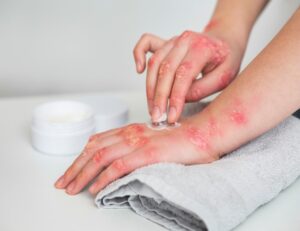
What Is a Minor Burn?
A minor burn usually affects only the outer layer of the skin (first-degree burn) or a small portion of the second layer (small superficial second-degree burn).
These burns often result from:
- Touching hot cookware
- Hot water or steam
- Sunburn
- Curling irons or straighteners
- Hot liquids
- Minor chemical exposure
- Small kitchen accidents
Symptoms of a minor burn may include:
- Redness
- Mild swelling
- Pain or tenderness
- Dry skin
- Small blisters (in some cases)
Most minor burns heal within one to three weeks with appropriate care.
Immediate Minor Burn Treatment Steps
Providing prompt first aid is the most important step after sustaining a minor burn.
1. Cool the Burn
Place the affected area under cool (not ice-cold) running water for approximately 20 minutes. This helps stop the burning process, minimizes tissue damage, and eases discomfort.
Avoid using ice directly on the burn because it can damage healthy skin and worsen the injury.
2. Remove Tight Items
Carefully remove rings, watches, bracelets, or tight clothing before swelling develops. If clothing is stuck to the burn, do not pull it away.
3. Protect the Burn
Cover the burn with a sterile, non-stick dressing or clean gauze. This helps protect the wound from bacteria and reduces irritation.
4. Manage Pain
Over-the-counter pain relievers such as acetaminophen or ibuprofen may help reduce discomfort and inflammation when used as directed.
What Should You Avoid?
Many home remedies are commonly suggested but can actually delay healing.
Avoid applying:
- Butter
- Toothpaste
- Cooking oil
- Egg whites
- Ice cubes
- Thick ointments immediately after the burn
- Cotton balls that may stick to the wound
These substances may trap heat, increase infection risk, or damage healing tissue.
Caring for Minor Burns at Home
After initial cooling, proper home care supports faster healing.
1. Keep the Burn Clean
Wash the area gently with mild soap and water once daily. Avoid scrubbing or breaking blisters.
2. Moisturize Carefully
Once the burn has cooled, fragrance-free moisturizing lotions or physician-approved burn creams can help reduce dryness.
3. Protect Blisters
Blisters act as a natural protective barrier. Do not pop them unless advised by a healthcare provider.
4. Change Dressings Daily
Replace bandages regularly or whenever they become wet or dirty.
5. Stay Hydrated
Drinking plenty of fluids supports the body’s natural healing process.
How Long Do Minor Burns Take to Heal?
Healing depends on burn severity.
- First-degree burns: 3–7 days
- Small second-degree burns: 1–3 weeks
Some discoloration may remain temporarily, but proper wound care often minimizes long-term scarring.
Signs Your Burn May Need Medical Attention
Although many burns can be managed at home, professional evaluation is recommended if you experience:
- Burns larger than three inches
- Deep burns
- Severe blistering
- White or charred skin
- Burns involving the face, hands, feet, joints, or genitals
- Electrical burns
- Chemical burns
- Fever
- Increasing redness
- Swelling
- Pus or drainage
- Persistent severe pain
Prompt treatment reduces the risk of complications and infection.
Why Visit Zion Urgent Care Clinic?
While many minor burns heal independently, some require professional medical evaluation to ensure proper recovery.
At Zion Urgent Care Clinic, experienced healthcare providers offer:
- Burn assessment
- Professional wound cleaning
- Infection prevention
- Prescription medications when necessary
- Pain management
- Dressing changes
- Follow-up wound care
- Referral for specialized treatment if needed
Walk-in appointments make it convenient to receive timely care without the long wait associated with emergency rooms for non-life-threatening burns.
Preventing Minor Burns
Simple safety habits can significantly reduce burn injuries.
Consider these prevention tips:
- Keep hot drinks away from children.
- Turn pot handles toward the back of the stove.
- Use oven mitts while cooking.
- Test bath water temperature before entering.
- Store chemicals safely.
- Install smoke detectors.
- Wear sunscreen to prevent sunburn.
- Keep electrical cords in good condition.
Prevention remains the best treatment.
When Should You Go to the Emergency Room?
Seek emergency care immediately if the burn:
- Covers a large area of the body
- Causes difficulty breathing
- Results from electricity or lightning
- Is caused by major chemicals
- Appears deep or blackened
- Is associated with severe trauma
These situations require emergency medical evaluation rather than routine urgent care.
Conclusion
Knowing the proper minor burn treatment steps can reduce pain, support healing, and prevent complications. Cooling the burn promptly, keeping it clean, protecting the skin, and avoiding harmful home remedies are key to successful recovery.
However, not every burn should be treated at home. If you’re unsure about the severity of your injury or notice signs of infection, seeking professional medical care is always the safest choice.
At Zion Urgent Care Clinic, our experienced medical team provides fast, compassionate treatment for minor burns and other everyday injuries, helping you recover safely and comfortably.
Frequently Asked Questions (FAQs)
1. What is the first thing I should do after a minor burn?
Cool the burn under cool running water for about 20 minutes, then cover it with a clean, non-stick dressing.
2. Can I put ice on a burn?
No. Ice may damage the skin and worsen the injury.
3. Should I pop burn blisters?
No. Blisters protect the skin from infection and should usually be left intact.
4. How long do minor burns take to heal?
Most first-degree burns heal within one week, while small second-degree burns generally heal within one to three weeks.
5. When should I visit urgent care for a burn?
Visit urgent care if the burn is deep, large, becomes infected, causes severe pain, or affects sensitive areas such as the face, hands, feet, or joints.
6. Can minor burns leave scars?
Most first-degree burns heal without scarring. Deeper burns may leave mild discoloration or scars depending on severity and treatment.
Need Fast Minor Burn Treatment?
Don’t let a burn become a bigger problem. Visit https://zionurgentcare.com/#urgent-care today for prompt evaluation and expert burn care. Our experienced medical professionals provide same-day treatment, wound care, and personalized recovery guidance.
Walk in today or contact Zion Urgent Care Clinic to receive quality urgent care when you need it most.
- Visit Zion Urgent Care Clinic for fast, reliable treatment of minor burns and everyday injuries.
- Walk in today—no appointment needed for expert urgent care services.
- Our experienced healthcare team is ready to help you heal quickly and safely.
- Contact Zion Urgent Care Clinic 832-447-6454 today to receive compassionate medical care when you need it most.
- Your health is our priority—visit us today for quality urgent care with minimal wait times.