

Introduction to Occupational Medicals
Occupational medicals are specialized health assessments designed to evaluate the physical and mental fitness of employees in relation to their job roles. These medical examinations play a critical role in maintaining a safe and productive work environment. Businesses across industries rely on occupational medicals to ensure that employees are capable of performing their duties without risking their own health or the safety of others.
In today’s fast-paced work environments, occupational health has become more important than ever. From construction sites to corporate offices, ensuring employee well-being is essential for operational success and legal compliance.
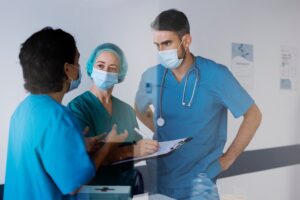
What Are Occupational Medicals?
Occupational medicals refer to a range of medical examinations conducted to assess an individual’s ability to perform specific job tasks. These exams are typically required before employment, during employment, or after exposure to certain workplace hazards.
They are designed not only to evaluate health status but also to identify potential risks that may arise due to job responsibilities. Occupational medicals help employers make informed decisions about job placements and necessary workplace adjustments.
Types of Occupational Medical Examinations
1. Pre-Employment Medicals
Pre-employment medical examinations are conducted before hiring a candidate. These tests ensure that the individual is physically and mentally fit for the job role. Employers use these assessments to reduce the risk of workplace injuries and absenteeism.
2. Periodic Health Assessments
Periodic occupational medicals are scheduled at regular intervals to monitor employees’ health over time. These assessments are especially important in industries where workers are exposed to hazardous materials, noise, or physically demanding tasks.
3. Return-to-Work Medicals
After an illness or injury, return-to-work medicals help determine whether an employee is ready to resume their duties. These exams ensure that the employee can safely perform their role without risk of re-injury.
4. Fitness-for-Duty Exams
Fitness-for-duty assessments evaluate whether an employee can perform specific job functions safely. These are often required for safety-sensitive roles such as machinery operation or driving.
5. Exit Medical Examinations
Exit medicals are conducted when an employee leaves an organization. They help document the employee’s health status at the time of departure and identify any work-related health issues.
Importance of Occupational Medicals
1. Ensuring Workplace Safety
One of the primary purposes of occupational medicals is to enhance workplace safety. By identifying health risks early, employers can take preventive measures to reduce accidents and injuries.
2. Legal and Regulatory Compliance
Many industries are required by law to conduct occupational medical examinations. Compliance with occupational health regulations helps organizations avoid legal penalties and maintain a positive reputation.
3. Early Detection of Health Issues
Regular occupational medicals enable early diagnosis of conditions such as respiratory problems, hearing loss, or musculoskeletal disorders. Early detection allows for timely treatment and better health outcomes.
4. Improving Productivity
Healthy employees are more productive and engaged. Occupational medicals help reduce absenteeism and improve overall workforce efficiency.
5. Employee Well-Being
By investing in occupational health, employers demonstrate a commitment to employee well-being. This leads to higher job satisfaction and improved morale.
What Is Included in Occupational Medicals?
Occupational medical examinations typically include a combination of the following:
- Medical history review
- Physical examination
- Vision and hearing tests
- Blood and urine tests
- Lung function tests
- Drug and alcohol screening
- Mental health evaluation
The specific tests included depend on the nature of the job and industry requirements.
Industries That Require Occupational Medicals
Occupational medicals are essential across various industries, including:
- Construction and manufacturing
- Oil and gas
- Healthcare
- Transportation and logistics
- Mining
- Corporate sectors
Each industry has unique risks, and occupational medicals are tailored to address those specific challenges.
Benefits of Occupational Medicals for Employers and Employees
For Employers
- Reduced workplace accidents
- Lower healthcare costs
- Improved compliance with regulations
- Enhanced workforce productivity
For Employees
- Better health monitoring
- Early detection of illnesses
- Safer working conditions
- Increased confidence in workplace safety
Role of Occupational Health Clinics
Occupational health clinics play a vital role in conducting occupational medicals. These clinics are equipped with specialized medical professionals who understand workplace hazards and health requirements. They provide customized assessments based on job roles and industry standards.
How to Prepare for an Occupational Medical Exam
Employees can prepare for occupational medicals by:
- Getting adequate rest before the exam
- Bringing necessary medical records
- Being honest about medical history
- Following any pre-test instructions (such as fasting)
Proper preparation ensures accurate results and a smooth examination process.
Future of Occupational Medicals
With advancements in technology, occupational medicals are becoming more efficient and accessible. Digital health records, telemedicine, and wearable devices are transforming how workplace health is monitored. These innovations enable real-time health tracking and proactive risk management.
Conclusion
Occupational medicals are a cornerstone of workplace health and safety. They not only protect employees but also contribute to the overall success of an organization. By identifying risks early, ensuring compliance, and promoting well-being, occupational medicals create a safer and more productive work environment. Investing in occupational health is not just a legal requirement—it is a strategic decision that benefits everyone involved.
Frequently Asked Questions (FAQs)
1. What are occupational medicals?
Occupational medicals are health assessments conducted to evaluate an employee’s fitness for a specific job role and ensure workplace safety.
2. Why are occupational medicals important?
They help prevent workplace injuries, ensure legal compliance, and promote employee well-being.
3. Who needs occupational medical exams?
Employees working in high-risk industries or roles that require physical or mental fitness typically need these exams.
4. How often should occupational medicals be conducted?
The frequency depends on the job role and industry regulations, but they are often conducted annually or periodically.
5. What tests are included in occupational medicals?
Tests may include physical exams, blood tests, vision and hearing tests, and drug screenings.
Ensure your workforce stays healthy, safe, and productive with professional occupational medicals. Visit us https://zionurgentcare.com/news/occupational-medicine/ today to experience reliable and comprehensive workplace health services. Contact us at 832-447-6454 now to schedule your occupational medical examination and protect your team’s well-being!